
CuriousThinking™

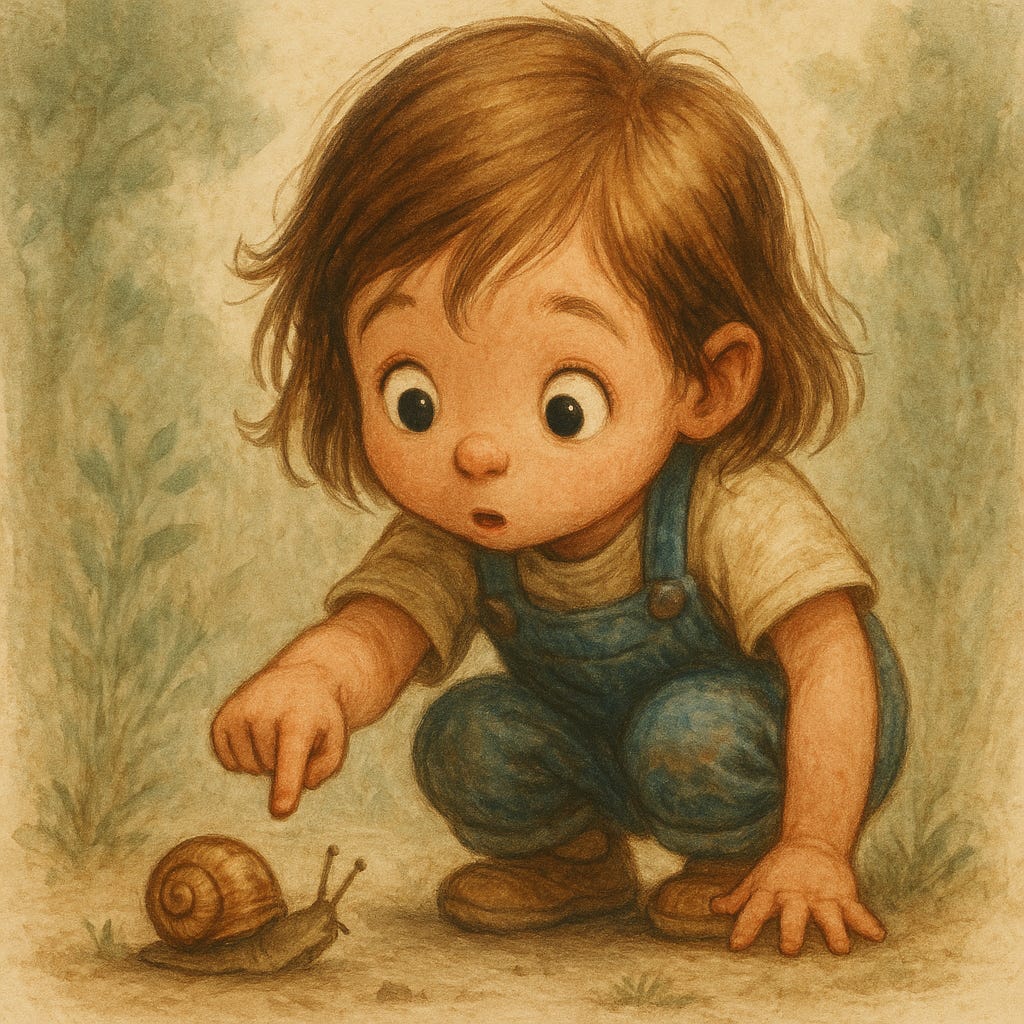
I've been working with people for years on movement, performance, and finding ease in challenging situations. What I've discovered is something pretty simple, but also surprisingly powerful. I call it CuriousThinking™, and I want to share what I've learned about how it works and why it seems to help so many people.
What Is CuriousThinking™?
Here's the basic idea: instead of trying to fix what's wrong or force yourself to be different, you learn to notice what's already working. It's about asking yourself a particular kind of question while you move that helps interrupt habitual patterns and let your natural coordination emerge.
The main question is simple: "Where Else Do I Seem to be Easing A Bit?" I know, it sounds almost too simple. But that's what I love about it - it's not another complicated technique you have to master. You're just creating an ongoing exploration of ease during whatever you're doing.
Instead of directing people HOW to move, I've found it works better to teach them to notice WHAT happens to the ease in them as they move. This develops what I think of as a quality of curious awareness that seems to naturally improve coordination and performance without forcing anything.
Why This Seems to Work
From what I understand about how our nervous systems work, when we pay attention to ease and what feels good, it actually helps activate the parasympathetic nervous system - that's the "rest and digest" response that promotes healing, relaxation, and optimal function. When we focus on tension or problems, we tend to activate the sympathetic nervous system, which is associated with stress and increased muscular tension.
It's like this: your body already knows how to coordinate itself beautifully. We just tend to get in the way with our efforts to "fix" things. This attention-based approach seems to work with what researchers understand about mirror neuron function and what I like to call the body's innate wisdom.
You know how the same mechanism that allows your neck to be free so your head can move forward and up? Well, it also responds to paying attention to ease. CuriousThinking™ taps into what I think of as vertebrate intelligence - that natural capacity that's already informing all your movement coordination.
There's something important here about the distinction between what you do and what you allow to happen. Instead of trying to create ease through effort, you simply notice where ease already exists. This prevents the whole thing from becoming mechanical or goal-oriented while allowing natural coordination to emerge organically.
What Actually Happens
I've watched this with hundreds of students now, and it's pretty remarkable. The results seem to be both immediate and build over time.
**Right Away, People Notice:**
- Movements feel lighter and easier in everyday activities
- Back pain and neck tension often decrease
- Natural coordination seems to just show up without effort
- Their voice becomes clearer, more resonant, with less strain
**Over Time, the Deeper Changes:**
- They develop reliable stress management tools that work in any situation - rehearsals, performances, work meetings, even traffic
- Their creativity seems to expand with more expressive range and willingness to take artistic risks
- Relationships improve because they're more relaxed and self-compassionate
- They build genuine resilience - they can stay centered regardless of external feedback or setbacks
The Real Value: Independence and Self-Direction
What I find most valuable about this approach is that it gives people tools they can use anywhere, anytime. Students tell me they feel "safely coordinated" and "creatively empowered without forcing or struggling." They can perform at their best "without having to prove anything to anyone" or "without having to force anything." This represents what I see as a fundamental shift from effortful self-improvement to what feels more like effortless self-optimization.
It Works Across Everything
The beauty of this approach is its universal applicability. Whether we're talking about musical performance, athletic activities, public speaking, or just daily life, the methodology works by addressing what I think is the root cause of most human performance issues: unnecessary interference with natural coordination and expression.
I've worked with musicians who discover they can feel "confident, coordinated, present without having to force anything." Speakers who find they're "naturally free, creatively alive, self-trusting, present, clear, confident, whole." These aren't temporary states they have to maintain through willpower - they're sustainable ways of being that seem to emerge naturally when interference gets reduced through curious awareness.
It Seems to Work Even When Other Things Haven't
I've worked with people who thought they were "too tense" or "too anxious" to change. People who had been performing or moving the same way for decades. People who had tried everything else.
The reason I think it works so broadly is that it's based on something universal - fundamental neurological and physiological principles that are consistent across all human beings. We all have this natural capacity for coordination and ease. We just need to learn to get out of our own way.
A Different Way of Being
What's emerged from this work isn't just better performance or less pain - though those things certainly happen. It's more like people discover a fundamentally different way of being in the world.
Instead of always trying to control everything, they learn to be curious about what's already there. Instead of effort and force, they find ease and allowing. Instead of anxiety and worry, they find exploration and discovery.
Rather than focusing on fixing deficits, they learn to discover and amplify existing strengths. The most profound changes seem to come not from adding more effort or techniques, but from learning to interfere less with the remarkable intelligence that already exists within us.
Looking Forward
As we continue to understand more about the nervous system, attention, and human potential, I think CuriousThinking™ points toward something important about the future of personal development. Maybe we don't need to fix ourselves as much as we need to discover what's already working.
In a world that's increasingly focused on external solutions and quick fixes, this approach offers something different: the development of an internal compass that guides us toward our natural ease, creativity, and authentic expression.
It teaches us that the most reliable path to confident ease under pressure isn't through more control, but through more curiosity - curiosity about what's already working, what's already easy, and what wants to emerge naturally when we create the space for it to happen.