
PrimalÉtudes: Cultivating CuriousThinking™ Through Purposeful Simplicity
Introduction to PrimalAlexander™ Part 2

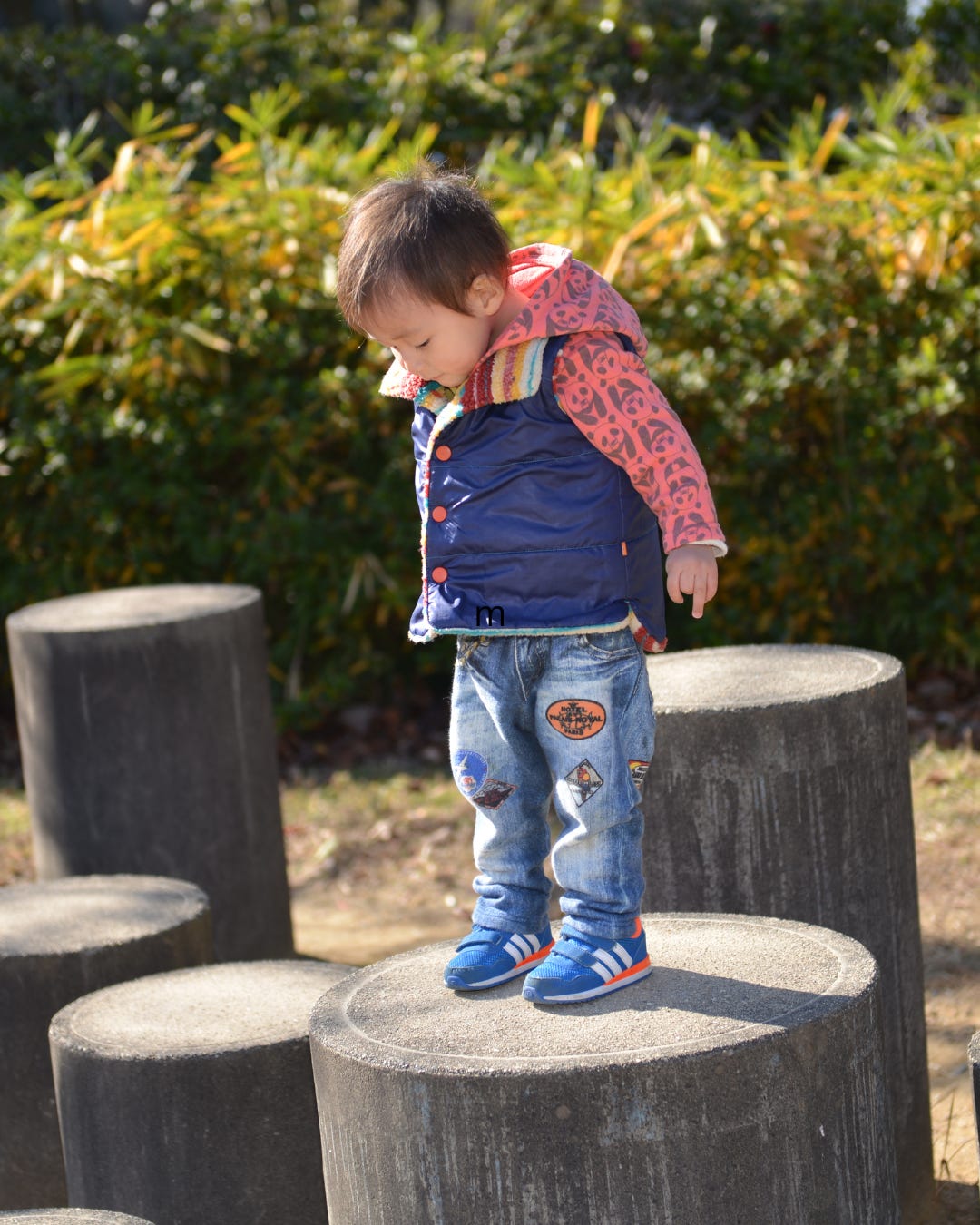
The Études: Cultivating Curious Thinking Through Purposeful Simplicity
The Etudes represent a unique approach to embodied learning—deceptively simple movement explorations that serve as doorways to deeper awareness and transformation. These "dumb little movements," as they're affectionately called, are purposefully designed to be inconsequential, short, and even throwaway in nature. This intentional simplicity serves a profound purpose: it creates space for curiosity rather than achievement, process rather than outcome, and awareness rather than performance.
The Strategic Simplicity of Study
The word "etude" derives from the French "étudier," meaning "to study," sharing its Latin root with "student." In musical pedagogy, etudes are technical studies designed to develop specific skills through focused practice. Similarly, the Primal Alexander Etudes function as movement-based laboratories where practitioners can explore their habitual patterns without the pressure of getting something "right." This freedom from perfectionism is crucial—as soon as we care too much about doing something well, our attention shifts from the "how" to the "what," from process to result, from presence to habit.
The genius of this approach lies in its psychological sophistication. Because these movements are intentionally inconsequential, they can bypass our usual performance anxiety and achievement orientation. We can afford to be curious because there's nothing to lose, nothing to achieve, and nowhere to get to. This creates the perfect conditions for genuine self-discovery.
The Primacy of Arms and Hands
The Etudes focus predominantly on arm and hand movements, and this focus is far from arbitrary. How we use our arms and hands may well be the determining factor in the quality of our overall coordination. These are our primary tools for interacting with the physical environment—for manipulating objects, expressing ourselves, and protecting our bodies. They're also central to intimate human connection and communication.
The cascade effect of arm and hand usage extends throughout our entire system. The quality of ease in our elbows, shoulders, and upper spine directly influences our torso and ultimately affects the freedom in our hip area. Given that modern life keeps us largely sedentary, with limited leg movement but constant arm and hand manipulation, developing skillful use of our upper extremities becomes even more critical.
Humans are distinguished from great apes largely by our opposable thumbs and the intricate manipulation they enable. This detailed hand work has shaped not only our tool use but our entire neuromuscular organization. By learning to use our arms and hands with ease, we can improve the quality of our whole-body coordination in ways that ripple through every aspect of our movement.
Drawing from Ancient Wisdom
While most of the Etudes emerge from practical experimentation with movement and awareness, some draw from profound Eastern traditions. Jin Shin Jitsu, the Japanese healing art, contributes its understanding of energy flow and gentle intervention. I CHUAN (I Chuan), a Chinese internal martial art focused on standing meditation and subtle movement, offers insights into cultivating internal power through stillness and minimal motion. Yan Xiao Gong, a small segment from authentic Shaolin martial arts tradition, provides elements of focused attention and precise movement quality.
These Eastern influences bring depth and sophistication to what might otherwise appear as simple exercises. They remind us that the most powerful transformations often emerge from the subtlest interventions, and that profound skill can be developed through seemingly effortless practice.
The Architecture of Attention
There are nineteen Etudes in total, though practitioners typically begin with four core movements known as "the Quad": TheCyCle™, M.J., “Baby Ben,” and Isosceles. This foundational quartet provides everything needed to begin cultivating curious thinking and embodied awareness.
Beyond Exercise: The Study of Self
The Etudes are emphatically not exercises in the conventional sense. They are studies, experiments, and investigations into the nature of human coordination and awareness. Their simplicity allows practitioners to develop the attention and awareness skills necessary to apply these principles in their "treasured activities"—the things they truly care about doing well.
This distinction is crucial. Exercises typically aim to strengthen, stretch, or condition the body through repetition and progressive challenge. The Etudes, by contrast, aim to educate the nervous system through curiosity and experimentation. They're designed to be brief enough that time is never an obstacle to practice, yet rich enough to provide endless opportunities for discovery.
The Pedagogy of Self-Teaching
Perhaps most importantly, the Etudes serve as vehicles for developing the capacity for self-teaching. They create an arena where students can test increasingly sophisticated applications of curious thinking without requiring external guidance. This independence is both practical and philosophical—it honors the idea that each person is their own best teacher when given the right tools and framework.
The practice becomes a feedback loop of attention and discovery. By consistently asking, "What happens to me when I...?" practitioners develop an internal laboratory for exploring coordination, effort, and awareness. This question-based approach shifts the focus from trying to achieve specific outcomes to becoming curious about the effect that your choices are having on you.
A Practice for Life
The Etudes offer something increasingly rare in our achievement-oriented culture: a practice that values process over product, curiosity over certainty, and awareness over accomplishment. They provide a reliable way to return to ease and presence, whether practiced in the morning and evening as a centering routine or used throughout the day as brief awareness breaks.
Their portability makes them particularly valuable in contemporary life. They require no special equipment, minimal space, and can be practiced anywhere—at a desk, in line at the store, or backstage before a performance. This accessibility ensures that the skills they develop can be integrated into real life rather than confined to special practice sessions.
In a world that constantly demands more effort, faster results, and better performance, the Etudes offer a different possibility: that profound transformation can emerge from gentle curiosity, that significant change can come through subtle awareness, and that the most reliable path to mastery is through becoming fascinated with the process itself rather than fixated on the outcome.
The simplicity of the Etudes is their strength. In their apparent throwaway nature lies their true value—they teach us how to learn, how to pay attention, and how to discover ease in the midst of our daily activities. They remind us that the most important skills we can develop are not complex techniques but rather the capacity for curiosity, the willingness to experiment, and the ability to notice what is actually happening in each moment of our experience.
P.S.
I’m teaching a 6 week comprehensive intro course for A.T. teachers starting September 11th. Email me at: miomorales@gmail.com for more info.
© 2025 Mio Morales. All rights reserved.